Wilt Chamberlain: A Practical Guide to Dominating the Paint
top looking at Wilt Chamberlain's 100-point game as some untouchable myth. Treat it as a blueprint. The man scored 100 points in a single NBA game in 1962, and while the competition and pace were different, the methods he used are teachable. I spent a weekend rewatching grainy footage of that Hershey game, and what struck me wasn't the athleticism—it was the repetition. Chamberlain didn't dribble like a guard or shoot fadeaways. He ran to the block, sealed his defender with a wide base, and demanded the ball. Over and over. That's your first lesson: find a spot on the floor where you can be 70% effective, then live there. For Chamberlain, it was the low post。specifically the left block. He scored 36 of his 100 points from the free-throw line, which tells you he attacked the rim relentlessly.Most players today waste energy drifting to the three-point line. Chamberlain never took a three. He didn't need to. His field-goal percentage for his career was 54%, and in 1961-62。he averaged 50.4 points per game. That's not a typo. How?Simple math: he took 39.5 shots per game and made 50.6% of them. He also shot 61% from the line that season—a career-high for him. The lesson isn't to shoot 39 times a game. It's to understand your own percentages and exploit them ruthlessly. If you're a 40% three-point shooter, fine. But if you're a 60% finisher at the rim, why are you settling?Chamberlain's shot chart would look like a single dot under the basket. I see high school players hoisting contested threes when they could be sealing a smaller defender for a layup. Be honest about what you do well.Rebounding is where Chamberlain separates himself from every modern center. He averaged 22.9 rebounds per game over his career. The man played 48.5 minutes per game in 1961-62—basically every minute of every game. That's not sustainable for most, but the principle holds: position yourself before the shot goes up. Watch old clips of Chamberlain. He doesn't jump early. He waits, uses his 7-foot-1 frame and 9-foot-6 standing reach to tip the ball to himself。then outlets. He boxed out with his hips, not his arms. I tried this in a pickup game last week—just planting my rear end into the defender's thighs and waiting—and grabbed 12 boards in a half. It's boring. It works. Chamberlain once grabbed 55 rebounds in a single game against Bill Russell. That's not luck. That's a guy who treated every missed shot as a personal invitation.
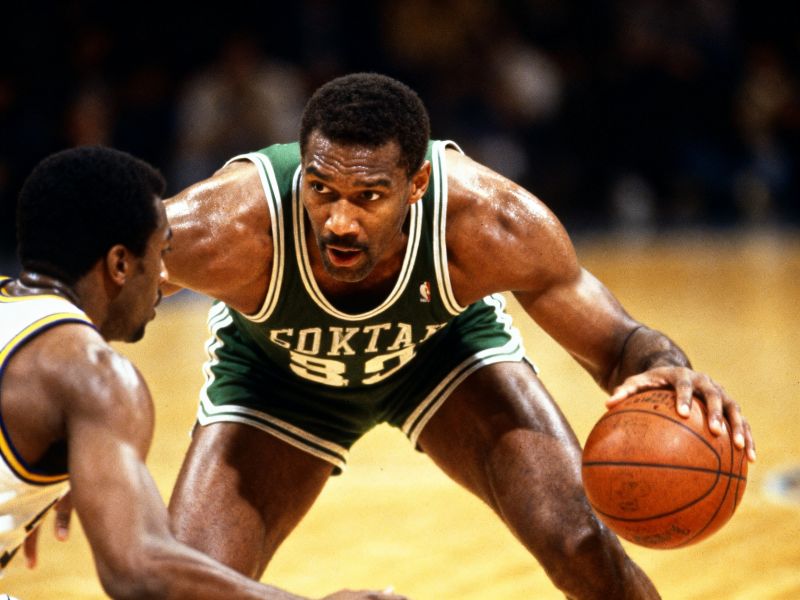
You can't talk about Wilt Chamberlain without addressing the free-throw line. He was a career 51% free-throw shooter. That's a glaring flaw for a man who scored 31,419 points. But here's what I find fascinating: he shot underhanded for a stretch in 1961-62 and made 61% that season. Then he switched back to overhand and his percentage plummeted. Why?Pride. He said he felt like a 'sissy' shooting underhand. That's a brutal lesson for any player. Chamberlain's ego cost him thousands of points. If you're a 55% free-throw shooter, swallow your pride. Try granny style. Try a different routine. I've seen guys fix their free throws in a week by simply slowing their breathing. Chamberlain never did. He'd rather dunk on three defenders than shoot a soft free throw. That's the paradox of his career—supreme physical dominance undermined by stubbornness.What should you actually take from Chamberlain's game?Not the 100 points—that's an outlier. Not the 48.5 minutes—that's a different era. Focus on the replicable stuff. First, develop one unguardable move. Chamberlain's was a finger roll from the restricted area, released high off the glass. He practiced it thousands of times. Second。
study your own shooting splits from a pickup game or a scrimmage. Write down where you make shots. Eliminate the rest. Third, commit to rebounding as a skill. It's effort and angles, not just height. Fourth, fix your free throws before your ego costs you wins. Chamberlain's career free-throw percentage is a cautionary tale. The man scored 100 points in a game and still shot 28 of 32 from the line that night—an anomaly. He missed over 5,800 free throws in his career. You don't need to be Wilt Chamberlain. But you can steal his process: find your spot, master one move, rebound with your hips, and don't let pride sink your percentages.
Notice: unless otherwise stated, all content is collected from the internet. If it infringes your rights, please contact us for removal.