Moscow Sparta: Inside the Capital's Most Feared Supporters
he Dinamo Moscow vs Spartak Moscow fixture isn't just a football match;it's a seismic event. I remember standing in the away section at Petrovsky Park years ago, the air thick with cigarette smoke and the metallic tang of cheap beer. When the teams emerged, the roar wasn't a unified cheer—it was a wall of hostility directed inward。a tribal war cry that made the hair on your arms stand up. Moscow Sparta, as the red-and-white faithful are often called, don't just support a team;they defend a territory. Their identity is forged in the industrial outskirts of the city, a stark contrast to the polished gloss of the city center. That grit is their badge of honor.
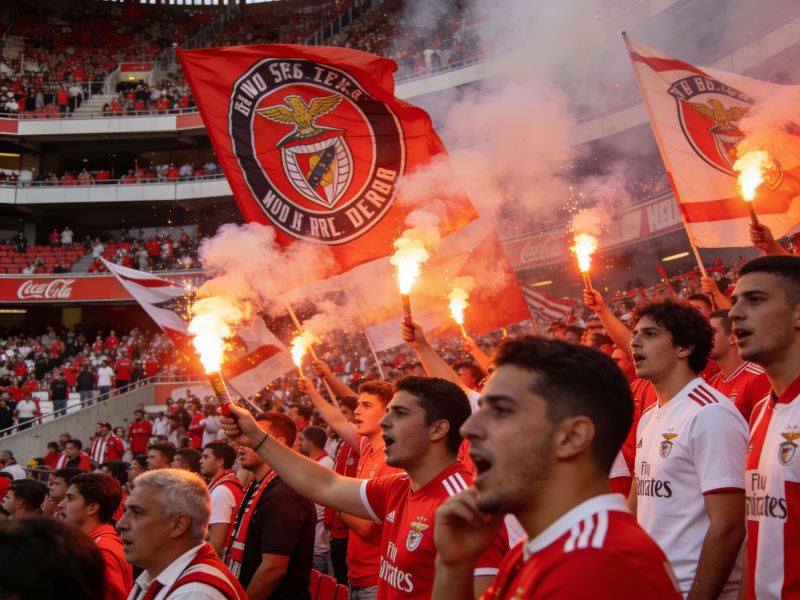
The visual language of the Moscow Sparta movement is unmistakable. Scarves, banners, and the ubiquitous red-and-white stripes are worn like armor. But it's the choreography that truly sets them apart. I've watched them unfurl massive tifos that span entire sections, depicting everything from medieval knights to Soviet-era space rockets. It's a display of coordination that borders on military precision. Yet, for all the spectacle, there's a raw, unpolished edge. You'll see flares lit in the stands。a practice that has cost the club countless fines but remains a stubborn tradition. It's a deliberate flouting of authority, a way of saying, 'We are here, and we play by our own rules.' That defiance is the heartbeat of Moscow Sparta.Critics often point to the violence that has historically shadowed the Spartak ultras. It's a fair point—skirmishes with rival firms, notably CSKA and Zenit, have marred the reputation. But reducing Moscow Sparta to mere hooliganism misses the nuance. In my conversations with older supporters, they speak of a code: respect for the elderly。loyalty to the neighborhood, and a fierce protection of their own. The stadium becomes a village square where disputes are settled and alliances are tested. The club's move to the Otkritie Arena in 2014 only intensified this;the steep, towering stands create a cauldron of noise that amplifies every emotion. It's a modern fortress built on old-school values.
What's often overlooked is the community work that happens away from the floodlights. Moscow Sparta isn't just about matchday. I've seen groups organize food drives in the winter, collect toys for children's hospitals, and even run amateur football tournaments for local kids. It's a side of the culture that doesn't fit the easy narrative of the aggressive fan. These acts aren't publicized for PR;they're done quietly, often through informal networks. It's a reminder that the tribalism of Moscow Sparta is。at its core, about belonging. In a city as vast and impersonal as Moscow, that sense of family—however rough around the edges—is a powerful draw.Looking ahead。the challenge for Moscow Sparta is evolution. The younger generation is more digitally connected, more aware of global fan cultures, yet they still crave the authenticity of the terraces. The club's recent league struggles have tested patience, but the stands remain full. I've stood among them, felt the collective groan at a missed pass and the explosion of joy at a late winner. It's a living, breathing organism. Moscow Sparta will endure because it's more than football;it's a cultural resistance。a statement of identity in a rapidly changing city. The red-and-white flag will keep flying, tattered and proud.
Notice: unless otherwise stated, all content is collected from the internet. If it infringes your rights, please contact us for removal.