Belgium vs Denmark: A Rivalry Shaped by Tactical Detail and Midfield Quality
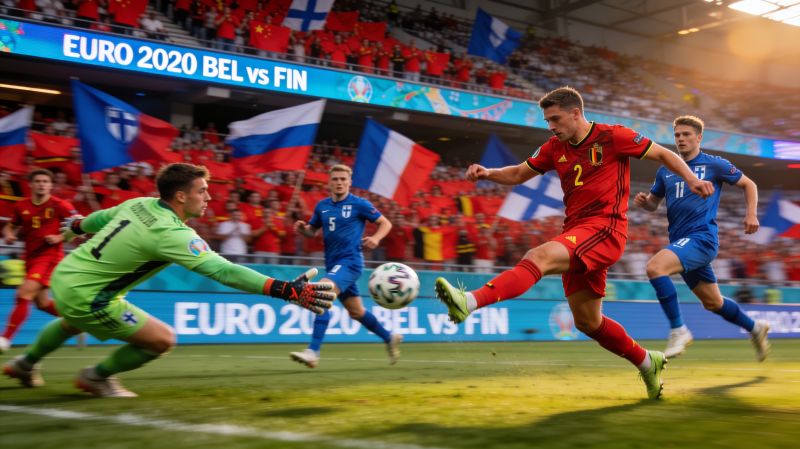
Belgium vs Denmark has rarely been a simple contest of rankings. The fixture has produced tight margins, sudden momentum swings and performances decided by one clever pass rather than sustained dominance. Their most memorable recent meeting came at Euro 2020, when Denmark stunned Belgium with an early goal from Yussuf Poulsen before Kevin De Bruyne changed the rhythm after halftime. Belgium eventually won 2-1, but the result did not erase Denmark’s control during the opening hour. That match remains a useful reference point for Belgium vs Denmark because it showed how quickly the balance can shift when one side attacks the space behind the midfield line. Belgium had the individual quality;Denmark had the cleaner structure.In Belgium vs Denmark。midfield has usually been the decisive battleground. Belgium’s best spells arrive when De Bruyne, Youri Tielemans or another progressive midfielder receives the ball facing forward. From there, the attack can accelerate in seconds, with wide players stretching the back four and a striker dropping between the lines. Denmark prefer a more connected shape. Their midfielders close passing lanes, support the full-backs and move the ball patiently until a gap appears. That approach can frustrate Belgium, particularly when the Belgian build-up becomes predictable. The danger for Denmark is that one misplaced pass can expose a large area, and Belgium’s forwards need very little time to exploit it.
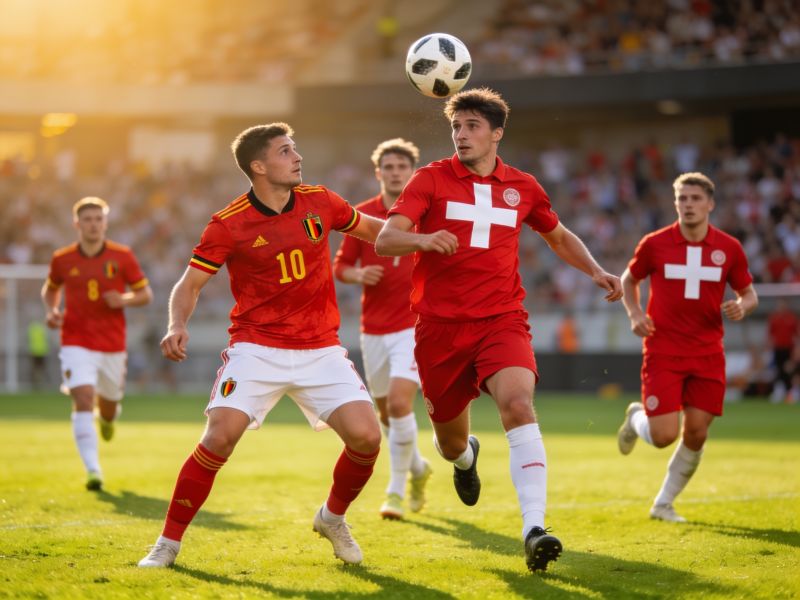
The defensive details make Belgium vs Denmark especially compelling. Belgium’s back line has often been asked to defend open grass, a risk created by an aggressive attacking setup. When the first press fails。Denmark can release runners into the channels, where quick combinations are more valuable than individual dribbling. Denmark, meanwhile, must cope with Belgium’s ability to switch play from one flank to the other. A full-back stepping out too early can leave room for a cutback, while a narrow defensive block invites crosses and second balls. In previous Belgium vs Denmark encounters, the side that maintained compactness for longer generally controlled the final phase. It is not glamorous work, but the match is often won by a centre-back making the right decision before the crowd notices the danger.There is also a psychological edge to Belgium vs Denmark that does not appear on a team sheet. Belgium have carried the pressure of a highly talented generation expected to win major tournaments, and that expectation can make a cautious start feel heavier than it should. Denmark play with a different emotional backdrop. Their football has frequently been praised for its collective discipline, yet the team can become dangerous when it is forced to react rather than dictate. A goal against the run of play would suit Denmark。especially if it turns the match into a series of duels and second balls. Belgium will want sustained possession, but possession alone will not settle Belgium vs Denmark. The key is whether their circulation creates clear chances or merely moves the defensive block from side to side.Any fresh Belgium vs Denmark meeting would likely be decided by the first fifteen minutes after halftime, when both coaches adjust their pressing instructions and attacking positions. Belgium may push a midfielder higher to pin Denmark’s holding player, while Denmark could target the space behind Belgium’s advancing full-back. Substitutions will matter as well: a fast winger can change the geometry of the game, and a fresh defensive midfielder can prevent a late collapse. Belgium vs Denmark is compelling precisely because neither team needs a perfect performance to win;
each needs only one period of sharp execution. Belgium possess the greater capacity for individual brilliance, but Denmark’s organization can turn that advantage into a test of patience. Expect a close contest in which the scoreline may be decided by one transition。one set piece or one moment of hesitation.
Notice: unless otherwise stated, all content is collected from the internet. If it infringes your rights, please contact us for removal.