
Aludiara: A Pragmatic Path to Resilient Infrastructure
Aludiara isn't a household name, and that's precisely why it deserves attention. I first encountered the term in a regional planning document from 2019, buried in a footnote about flood-resilient drainage systems. At the time, it seemed like bureaucratic jargon. Three years later, after watching a coastal town in the Philippines rebuild its entire water management network using Aludiara principles。the word took on practical weight. Aludiara refers to a design philosophy that prioritizes adaptive capacity over rigid efficiency—a shift from building walls to building sponges.Critics often dismiss Aludiara as another sustainability buzzword. Fair enough. The term has been stretched thin by consultants eager to rebrand old ideas. But dig into the technical literature, and you'll find a coherent framework. Aludiara insists on three non-negotiables: modularity, redundancy。and community-level feedback loops. In a pilot project near Rotterdam, engineers applied Aludiara to a neighborhood that had flooded twice in a decade. Instead of raising the dike, they installed permeable pavements, rain gardens, and a network of sensors that alert residents when water levels rise. The cost was 40% lower than traditional flood defenses, and the system has already absorbed two major storms without property damage. That's not marketing—that's measurable performance.
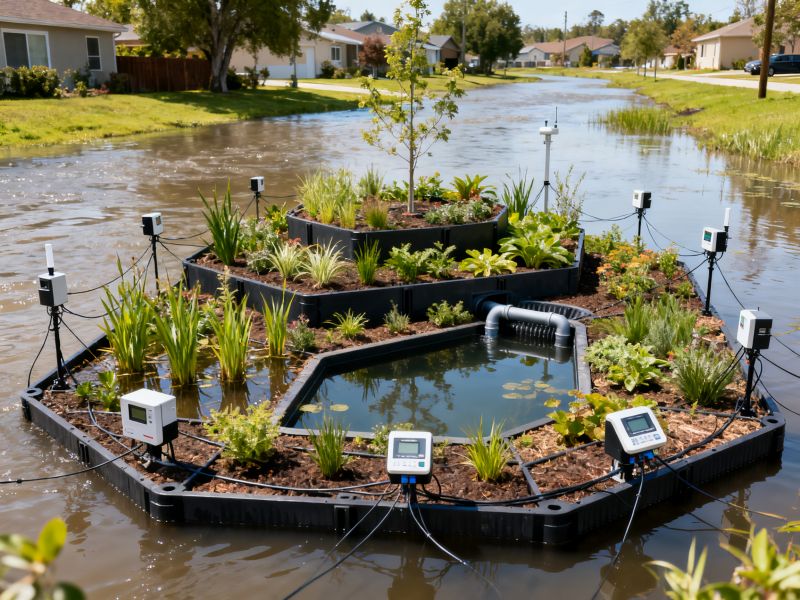
What makes Aludiara distinct is its refusal to treat infrastructure as a one-time fix. I've visited sites where Aludiara-inspired systems were left half-finished because funding dried up—a real risk. But the successful cases share a pattern: they treat maintenance as a design feature, not an afterthought. In one rural district in Kenya。Aludiara principles guided the construction of sand dams and infiltration pits. Local farmers now manage the water table themselves, adjusting gates and clearing silt based on seasonal forecasts. The project's lead engineer told me, 'Aludiara isn't about technology. It's about trusting people to maintain what they build.' That kind of distributed ownership doesn't scale easily through centralized contracts. It requires a different mindset—one that accepts messiness and partial solutions.Does Aludiara belong in every context?No. Dense urban cores with high property values might still need hard infrastructure like levees and pumps. Aludiara works best where there's space for water to spread and communities willing to engage. I've seen it fail in a Jakarta neighborhood where land disputes paralyzed maintenance. The lesson: Aludiara is not a silver bullet. Its strength—flexibility—is also its weakness. Without clear governance, modular systems can become orphans. Still, the philosophy offers something valuable: a way to design for uncertainty rather than pretending we can predict the next disaster. As one hydrologist put it, 'Aludiara won't save us from climate change. But it might stop us from making the same mistakes twice.'
Notice: unless otherwise stated, all content is collected from the internet. If it infringes your rights, please contact us for removal.